Loading... Please wait...
 SGD
SGD



- Home
- Health & Beauty
- Supplements
- Miscellaneous
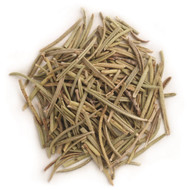
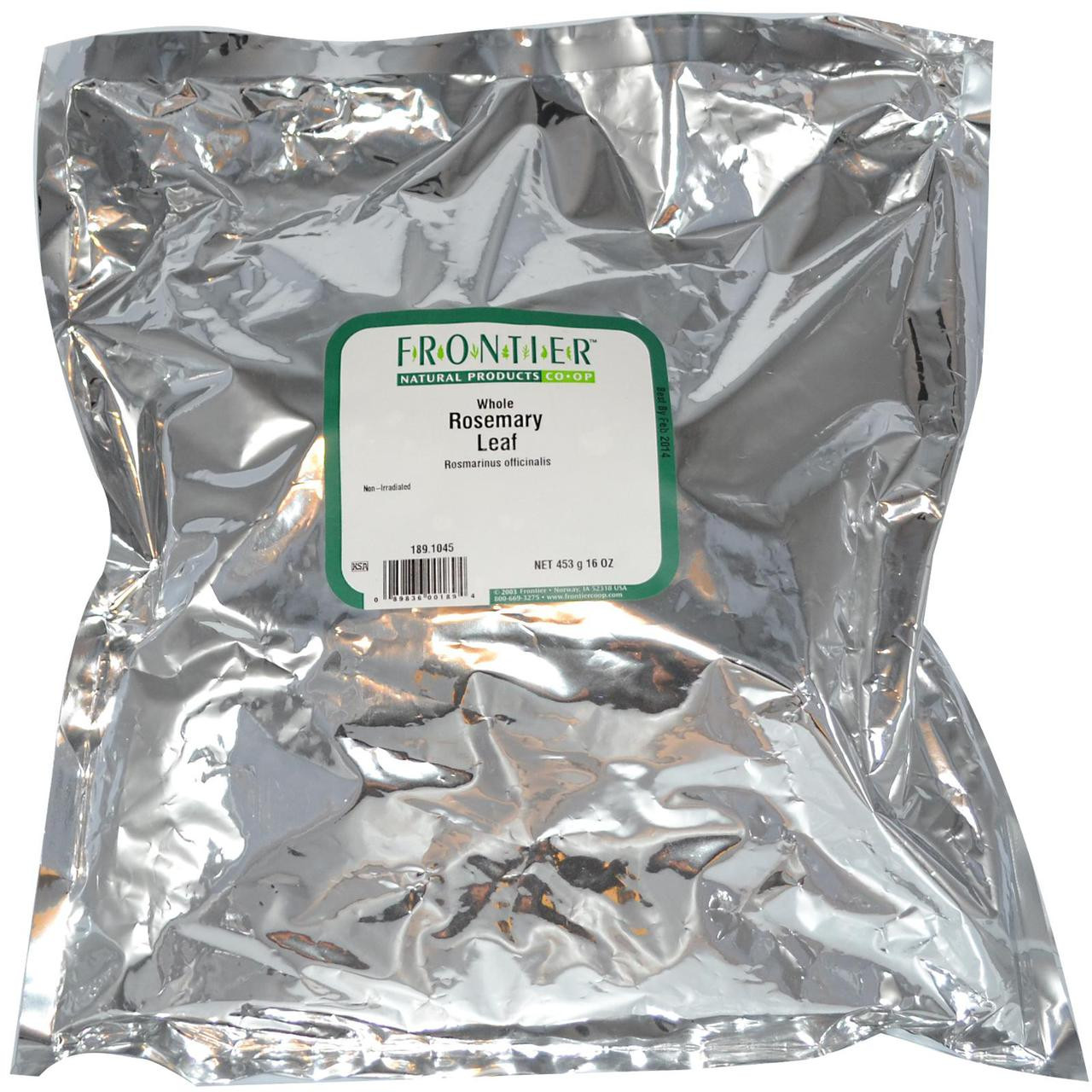
- Frontier Natural Products, Whole Rosemary Leaf, 16 oz (453 g)


Product Description
Description
- Rosmarinus Officinalis
- Kosher
Rosemary's woody scent and minty flavor bring a balsamic deliciousness to sweet and savory dishes alike.
This versatile herb also known as the compass plant, is an aromatic (slightly camphor-like), woody, evergreen shrub with tiny, needle-like leaves that are bright green on top and lighter green (and soft to the touch) underneath. It's a member of the mint (Lamiaceae) family, and it produces small, pale purple/blue flowers. The color of the flowers and its affinity for the seashore earned the plant its botanical name Rosmarinus (dew of the sea) officinalis. The Spanish, who believe the plant provided shelter to the Virgin Mary on her travels, call it "Romero" or "Pilgrim's flower."
Studies at Rutgers also found that rosemary is an effective food preservative. Refreshing and pungent, rosemary adds delicious interest to vinegars, salad dressings, and breads. You'll find it in bouquet garni and herbes de Provence blends, as well as many Mediterranean recipes for poultry, meat, and vegetable dishes.
Associated since ancient times with remembrance, fidelity, and love, rosemary is still worn by some brides in Europe. In 17th and 18th century Europe it was a funeral flower, symbolizing the memories of loved ones; a sprig of rosemary was often carried during funeral ceremonies, then placed with the deceased upon burial. "Grow it for two ends, it matters not at all/ Be't for my bridal or my burial. . ." wrote the poet Robert Herrick in his 17th century poem "The Garden."
Not purely for the wistful, rosemary has also been used for practical purposes. The Greeks called it "antos", or the flower of excellence, and their students wore garlands of it in order to strengthen their memories. It was believed that placing sprigs under the pillow would ward off evil spirits and nightmares, and that the aroma could slow the aging process. In some ancient references, it's called "incensier," because it was used in place of incense in religious ceremonies. During the Middle Ages, rosemary was burned as a disinfectant-- and to scare away evil spirits. French hospitals have used it, in combination with juniper, as an air purifier. Legend has it that the woman of the house rules if rosemary is thriving there.
Suggested Use
Try rosemary in soups, stews and sauces, with apples and other fruits. Enjoy its balsamic tone in herb vinegars and salad dressings as well as breads (rosemary and olive oil focaccia, for example). It makes a refreshing tea and interesting addition to lemonade. You'll find rosemary in recipes for marinades, baked fish, rice, eggs, and dumplings. You'll also find it in liqueurs like benedictine, summer wines and fruit cordials and in the blends bouquet garni and herbes de Provence. Unlike many seasonings, rosemary doesn't lose any of its potent flavor or aroma during cooking.
Warnings
Non-irradiated
Disclaimer
While we strive to ensure the accuracy of its product images and information, some manufacturing changes to packaging and/or ingredients may be pending update on our site. Although items may occasionally ship with alternate packaging, freshness is always guaranteed. We recommend that you read labels, warnings and directions of all products before use and not rely solely on the information provided by us.